e-books, videos, priced at 5 euros each. (ONLINE SOON).

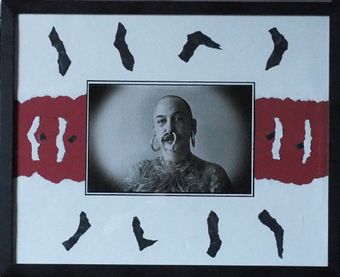
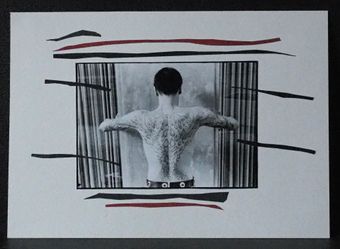
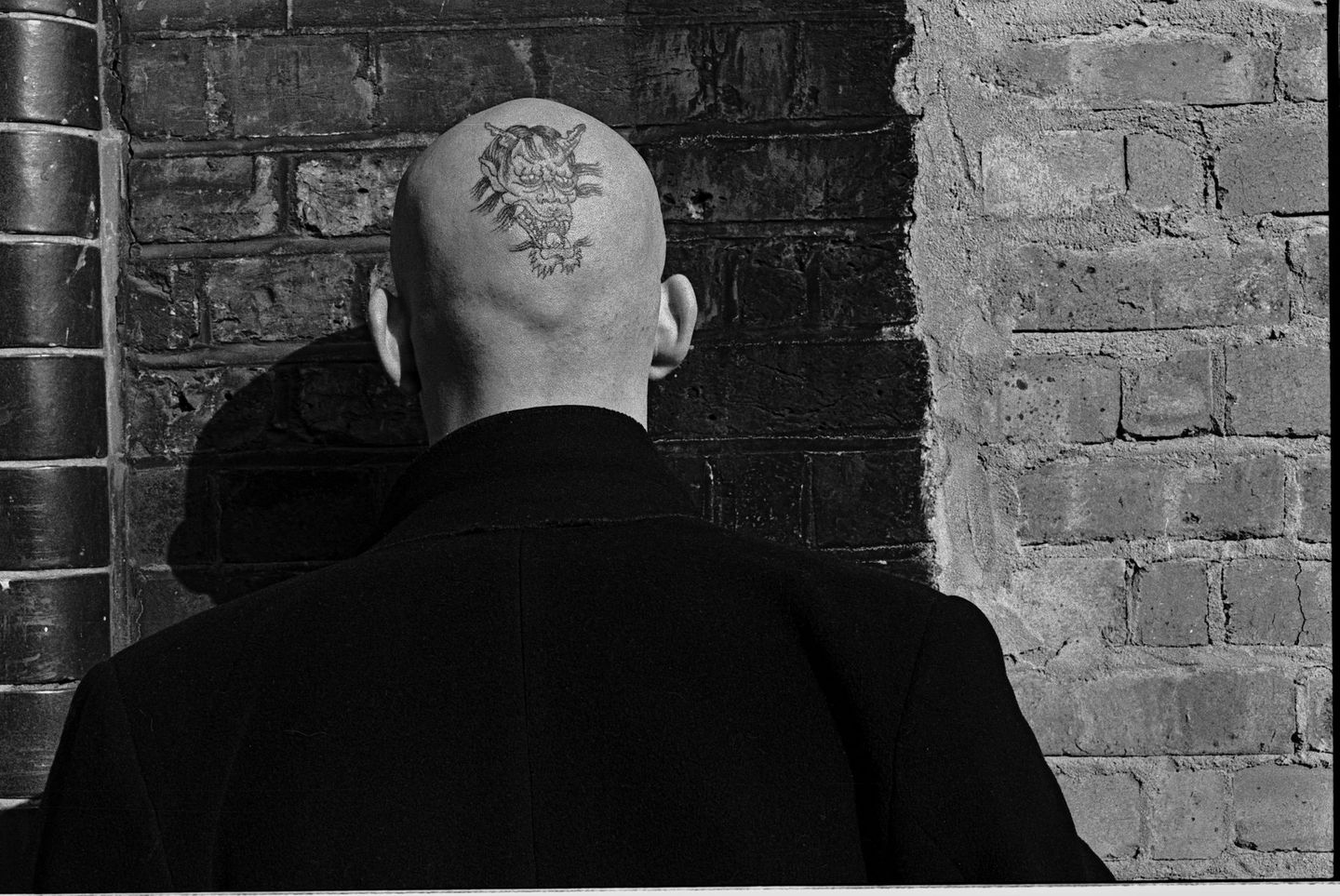
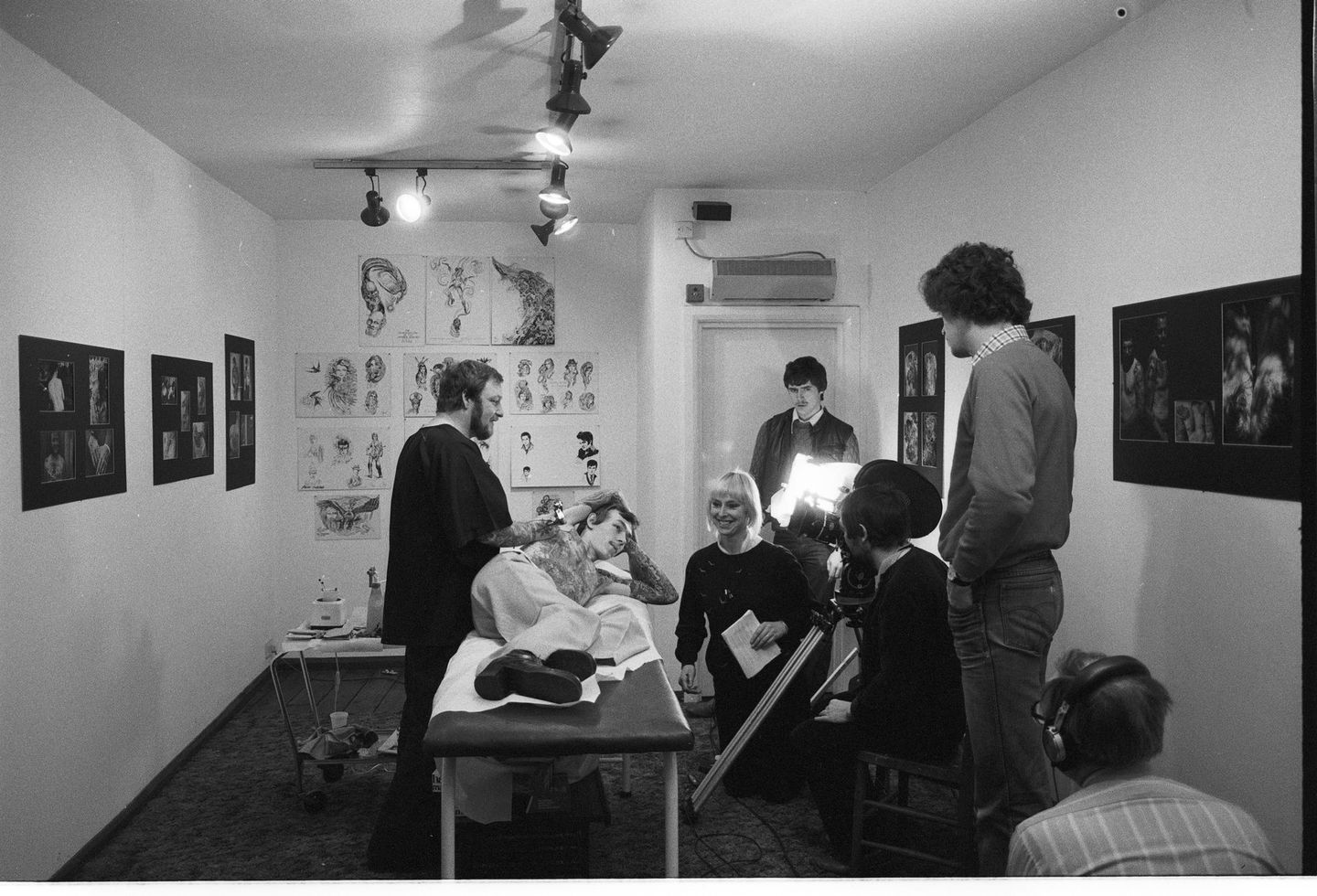
The Torpedo and the Rose. The story of how electric tattooing first started in Hong Kong in 1946, reads like a true war time drama and concerns the exploits of a young naval engineer whose ship was torpedoed by a Japanese submarine in 1944. In 1946, James Ho opened a studio in Kowloon,Hong Kong, named Rose tattoo and agreed to train a young boy named Swallow, who later opened his own practice in Wan Chai. Swallow created one of the most intriguing and original studios in the world. His surreal artwork reveals the times when thousands of troops landed in Hong Kong for a brief and exotic encounter, before going into battle in Korea and Vietnam.

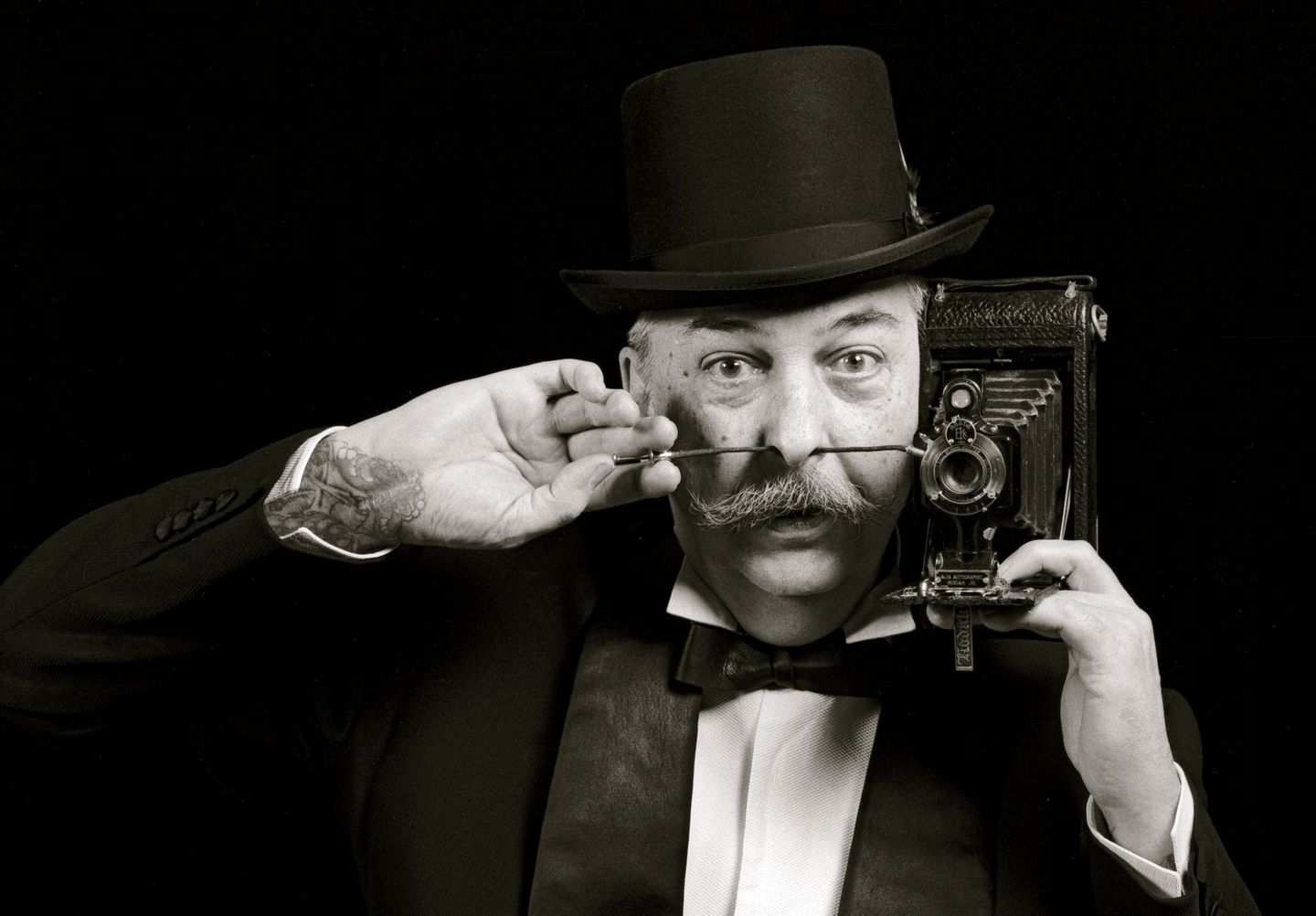
In Brazil, they are called "lambe lambe', meaning "lick lick", after the way sitters slick down their hair and eyebrows with wet fingers before having their portrait taken. In India they are,"wet photographers", in Algeria,"photograhie de pauvrer', and in Britain, "smudgers." For many years, street photographers were a common sight throughout the world.With a portable mini-darkroom and a bucket of developer and fixing agent, images for passports, keepsakes or -particularly around the Mediterranean - tombs, were produced there and then. But photo booths and instant camera have largely killed of the practice, even in the third world.

Audacious underground photographer Chris Wroblewski has done it again with this bold photographic tribute to the ladyboys of Thailand and the hijra eunuchs of India. Neither male nor female, hijras and ladyboys form a third gender, recognized as such in their respective countries in a way that would be unthinkable in the West. Now Wroblewski, the man who put tattooing on the map, has put together a remarkable collection of lavish, full-colour photos in celebration of the Third Sex, their lives, their traditions, and their strange but fascinating beauty, and you can see it in the new, digital edition of *The Third Sex*

The gallery is online and some pictures from the book are in it.